
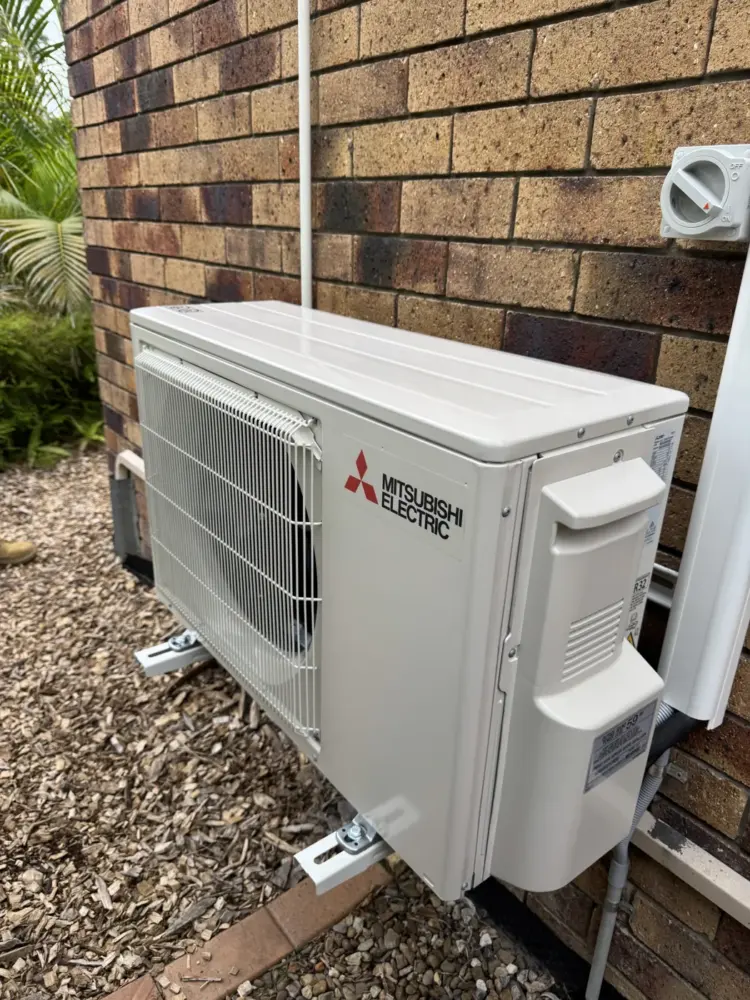
An older air conditioner does not automatically need replacing, and a newer one is not automatically economical to repair. A useful decision starts with a diagnosed fault and a written explanation of the available options.
Get the fault identified first
Describe what changed, when it happens and whether the system has had previous repairs. Keep service records, model numbers and any warranty documents available. A quote based only on the symptom can leave important questions unanswered.
Ask which part or condition has been identified, what the repair would include and whether further investigation is needed. If an inspection has not established the cause, make sure any estimate clearly explains that uncertainty.
Compare the whole cost, not just the replacement unit
For the repair option, ask about the proposed work, parts availability, expected timing and applicable warranty. For replacement, ask for the complete installed scope: equipment, electrical requirements, pipework, drainage, supports, removal and commissioning as relevant to the property.
Do not assume existing accessories, ducts or controls can all be reused. Ask the installer to list what remains and what must change. This gives you a more meaningful comparison than placing a repair invoice beside an equipment-only advertised price.
Review condition and reliability together
Daikin Australia’s repair-or-replace guide highlights age, repeated breakdowns, repair expense and changing performance as useful considerations. Treat these as discussion points rather than a universal deadline. A system’s history and actual condition matter to the decision.
- Is this an isolated fault or part of a pattern?
- Are the required parts available within a useful timeframe?
- Does the system still meet the needs of the occupied rooms?
- Are there other visible condition issues to assess?
- Would a replacement solve a design or comfort problem the repair would leave unchanged?
Keep efficiency claims in perspective
Ask for exact model information and suitable energy data if replacement is proposed. Avoid assuming a fixed annual saving without knowing the household’s use and electricity tariff. The Australian energy label is a comparison tool; a change in equipment is only part of the household’s energy picture.
It is reasonable to value reliability, quieter operation or better room control as well as running costs. Write down which of those outcomes matters most to you, so the recommendation can address your priorities rather than just the age on the label.
When repair can be a useful first step
MyTradie’s profile emphasises repair before replacement where practical. That means explaining the findings and options, not promising every system can be restored. Ask for a clear reason if replacement is recommended and a scope you can compare with other proposals.
For Brisbane and Gold Coast customers, tell us if the property is occupied, rented or undergoing renovation and which rooms need reliable conditioning. Those details help us discuss timing and the most useful next step without pushing you into an equipment decision before the fault is understood.
Related MyTradie services and advice
- Air conditioning fault finding and repairs
- Replacement and new installation discussions
- After-service and warranty information
- Air conditioning quotation checklist