
A large star rating can attract attention, but it is only useful when you compare the right systems and climate information. Australia’s Zoned Energy Rating Label gives a more detailed way to compare eligible air conditioners than a single headline claim.
Check the exact model and climate zone
The label presents performance for hot, average and cold climate zones, with cooling and heating shown separately. Use the climate information relevant to your location when comparing models. Ask the supplier to explain the applicable zone rather than choosing the most impressive number on the label.
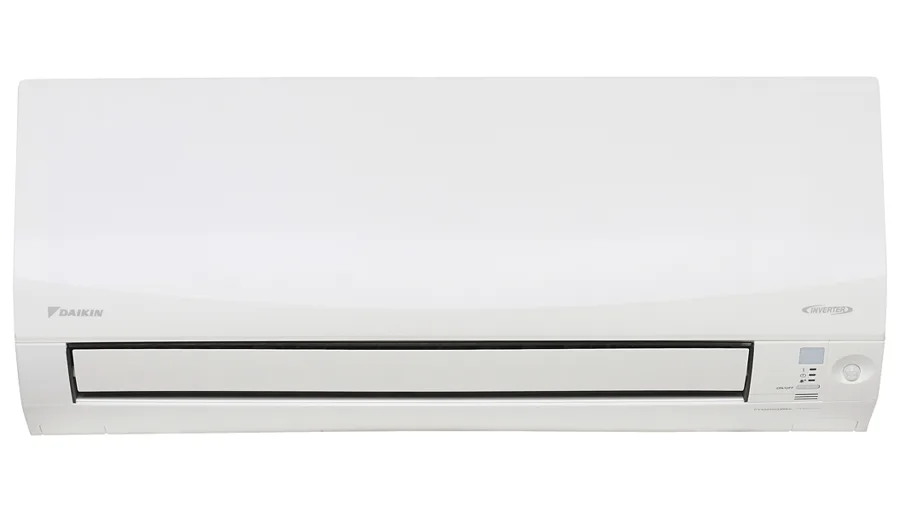
Make sure the label belongs to the exact indoor/outdoor model combination in your quote. A family name such as Cora or a manufacturer logo is not specific enough to establish that two quotations refer to the same equipment.
Capacity and electricity use are different numbers
Cooling or heating capacity describes the output the system can provide under stated conditions. Electrical input describes the electricity it draws. Annual energy-use figures on the label support comparison under standardised assumptions; they are not a promise of your household’s next electricity bill.
Do not treat a capacity figure as though it were a constant electrical draw. Keep the unit and type of figure beside every number you record. This makes a quote comparison much clearer when a salesperson or installer explains the equipment.
Make a simple comparison sheet
For each proposed system, record the model combination, required capacity, relevant cooling and heating stars, annual energy-use figure, noise information and controller included. Add the installed price and the scope separately. You can then ask questions about differences instead of comparing two advertising summaries.
Australian Government guidance recommends comparing appliances of a similar type and size. A smaller unit with a good label is not automatically suitable for a larger room. Likewise, a higher output does not establish that the design fits your room layout or use.
Use label information with a property assessment
Before choosing a model, explain which rooms need conditioning and when they are used. Give your installer a floor plan, photos and any problems with the existing system. Ask what supports the proposed capacity and whether the quotation includes the controls and installation work you expect.
If two designs cover different rooms or include different installation work, settle those differences before choosing on price or stars. Keep the written scope and model information together so the handover can be checked against the quote.
What if there is no label on the proposal?
Not every air conditioning product is required to display the consumer label. The Energy Rating website explains the exceptions. Ask for the applicable product data and the basis of any efficiency claim rather than assuming an unlabelled system is either inefficient or unsuitable.
MyTradie can help Brisbane and Gold Coast customers connect the product information with the installation brief. We can discuss relevant split, multi-split and ducted options without promising a fixed bill saving that depends on usage, tariffs and the property.