
Retrospective planning guide — February 2026. Newly prepared and published on 1 November 2026 for this earlier planning period. The archive date is not evidence of an earlier publication. Period sources are listed below; confirm current products, terms and site requirements before acting.
By February 2026, an owner comparing “clean”, “service” and “maintenance” offers could easily assume the labels meant the same work. They do not provide a complete specification on their own. This guide helps homeowners, property managers and trade coordinators turn a package name into a clear enquiry, so the provider can explain the appropriate scope for the equipment and the reported concern.
Planning a real job? Contact MyTradie for a practical scope review and quotation discussion.
Describe why the work is being requested
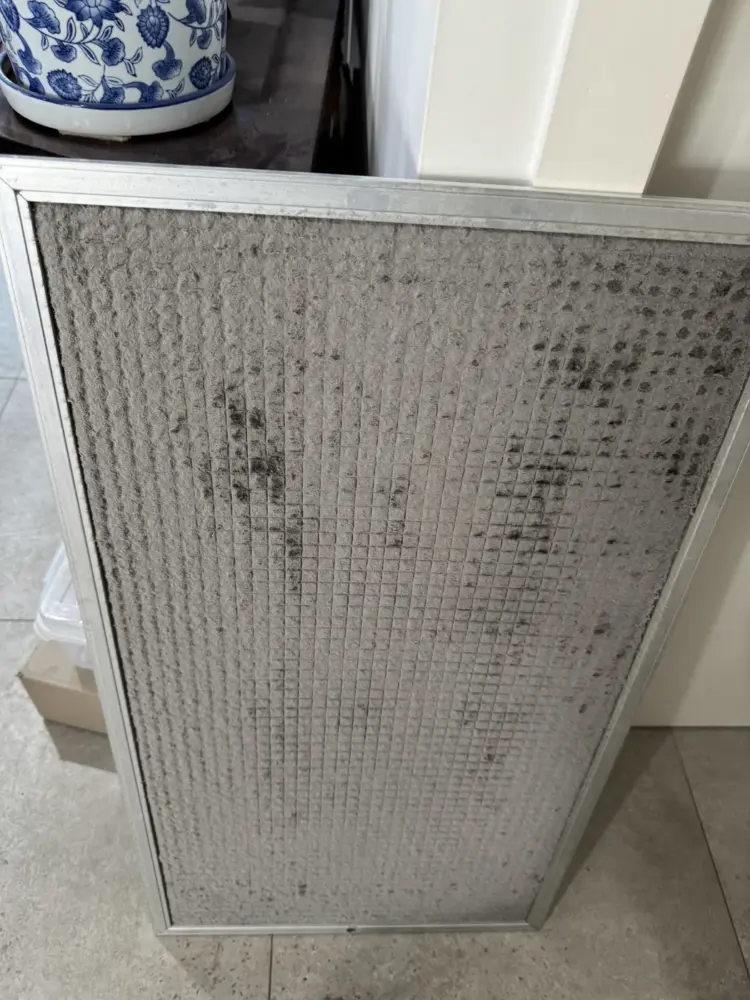
Begin with the actual reason for the enquiry. Is the filter visibly dusty, is there an unexplained smell, has comfort changed or is a professional maintenance review due? A symptom and a routine care request may need different assessments. Avoid deciding that a particular cleaning package will fix a fault before its cause has been established.
Tell the provider what you observed and what you want clarified. A request for a quotation can state that the owner does not know whether cleaning, maintenance or fault diagnosis is appropriate. That is more useful than selecting the most impressive package title and expecting it to cover every possible concern.
Separate user care from technical work
Some equipment instructions allow owners to clean specified accessible filters or outer surfaces. That does not make internal cleaning, electrical checks or refrigerant work ordinary DIY tasks. Read the exact model instructions and leave inaccessible or uncertain work to an appropriate professional. Do not remove service covers to make a quotation enquiry more complete.
A manager arranging work should make the boundary clear to occupants and caretakers. Saying “give the unit a clean before the technician comes” can be misunderstood. Specify only the ordinary preparation agreed with the provider, such as keeping a safe access route clear, rather than assigning undefined equipment work to someone without the required competence.
Ask what each quoted package actually includes
Request a plain-language list of the activities, equipment covered and reporting supplied. Clarify whether filters, accessible surfaces, internal components, drainage-related assessment and operational observations are included, excluded or subject to inspection. The provider should define the appropriate work; the customer’s task is to understand and compare the proposed scope.
Ask how the scope changes if a fault or inaccessible component is identified. A cleaning visit may reveal a concern that needs separate assessment. Avoid treating the absence of a repair from the package as proof that the provider has failed to perform a service; first compare what was agreed with what was actually reported.
Make the next step specific. Ask our team about the relevant service, or call 0402 155 761 with the property suburb, equipment details and your proposed timing.
Compare quotations using the same equipment list
Provide the brands, known models, system types and number of assets. A wall split, a multi-split indoor unit and a ducted arrangement can involve different access and work. Two offers are not directly comparable if one assumes a single indoor unit while the other includes several assets and a report for each.
Ask which assumptions affect the price, including height, access, parking, protective measures and any additional trade requirements. Keep optional work separate from the base scope. A transparent comparison should explain the differences rather than simply rank contractors by the lowest total shown on the first page.
Treat chemicals and access methods as professional questions
Do not prescribe a cleaner, disinfectant, pressure-washing method or internal treatment from a general blog. Suitability depends on the equipment instructions, materials and the actual task. Ask the provider to explain the proposed approach and any preparation or precautions required at the property.
Avoid universal health claims about a cleaned system. A visual improvement does not establish a medical outcome, a whole-building air-quality result or removal of every contaminant. Where a concern needs specialist assessment, identify that need separately. Useful service copy describes the agreed work and evidence without promising benefits that the method or inspection cannot establish.
Ask for findings that can support the next decision
At completion, the report should identify the attended assets, work completed, observations and recommended follow-up. If access prevented a task, keep that limitation visible. A provider’s photograph can support the record when properly explained, but it should not replace a description of the scope or a professional finding.
Link the report to any original complaint. If the symptom continues, the next enquiry should contain the previous findings rather than simply request a stronger cleaning package. Earlier HVAC maintenance guidance treats documentation as part of management; the practical benefit is a clearer decision about assessment, repair or future care.
Choose the next step according to the evidence
The right outcome may be ordinary owner care, an agreed professional clean, a maintenance plan or a diagnostic visit. It may also involve more than one stage. Ask the provider to explain why the proposed work fits the equipment and concern, and what remains uncertain until inspection.
For an illustrative property manager comparing several “deep clean” offers, the useful result is a consistent asset list and a written scope for each quote. This makes the purchase more understandable without suggesting that every provider must use identical methods. The decision can then reflect the work required, access, competence and evidence, rather than marketing terminology alone.
Your working checklist
- Explain the symptom or maintenance objective without choosing a diagnosis.
- Identify user-permitted care separately from professional work.
- Request inclusions, exclusions and a variation process in writing.
- Compare offers against the same asset and access information.
- Keep the completion report and assign any recommended follow-up.
A question worth asking
Does an expensive cleaning package automatically include a full fault diagnosis?
No. Price and package names do not establish the scope. Ask whether diagnosis is included, what it covers and how additional work is authorised. If the main concern is a fault, explain that at enquiry so the provider can propose an appropriate assessment rather than assume a routine clean is sufficient.
Period sources and further reading
These references support the technical background. The planning examples and checklists are illustrative, not records of completed customer projects.